Skip to content
Menu

Music Tech Solutions

Chris Castle's Solutions for Music-Tech Entrepreneurs

Enter your email address to follow MusicTech.Solutions and receive notifications of new posts by email plus the MusicTechPolicy Monthly email Newsletter

Recent Posts

  • Anna’s Archive, Spotify, and the Shadow‑Library Playbook: Why Spotify is a Crime Scene
  • What Would Freud Do? The Unconscious Is Not a Database — and Humans Are Not Machines
  • The Paradox of Huang’s Rope
  • You Can’t Prosecute Smuggling NVIDIA chips to CCP and Authorize Sales to CCP at the Same Time
  • Back to Commandeering Again: David Sacks, the AI Moratorium, and the Executive Order Courts Will Hate

Recent Comments

Chris Castle's avatarChris Castle on Less Than Zero: The Significan…
oscar fransson's avataroscar fransson on Less Than Zero: The Significan…
How the Seven Lethal… on AI Frontier Labs and the Singu…
H's avatarH on StubHub Class Action on Hold:…

Archives

  • December 2025
  • November 2025
  • October 2025
  • September 2025
  • August 2025
  • July 2025
  • June 2025
  • May 2025
  • April 2025
  • March 2025
  • February 2025
  • January 2025
  • December 2024
  • November 2024
  • October 2024
  • September 2024
  • August 2024
  • July 2024
  • June 2024
  • May 2024
  • April 2024
  • March 2024
  • February 2024
  • January 2024
  • December 2023
  • November 2023
  • June 2023
  • May 2023
  • April 2023
  • March 2023
  • February 2023
  • January 2023
  • October 2022
  • August 2022
  • July 2022
  • June 2022
  • May 2022
  • April 2022
  • March 2022
  • February 2022
  • January 2022
  • December 2021
  • November 2021
  • October 2021
  • July 2021
  • May 2021
  • April 2021
  • March 2021
  • February 2021
  • January 2021
  • November 2020
  • October 2020
  • September 2020
  • July 2020
  • June 2020
  • April 2020
  • March 2020
  • February 2020
  • January 2020
  • December 2019
  • November 2019
  • October 2019
  • September 2019
  • August 2019
  • July 2019
  • June 2019
  • May 2019
  • March 2019
  • February 2019
  • January 2019
  • December 2018
  • November 2018
  • October 2018
  • September 2018
  • August 2018
  • July 2018
  • June 2018
  • May 2018
  • March 2018
  • February 2018
  • January 2018
  • December 2017
  • November 2017
  • October 2017
  • September 2017
  • August 2017
  • July 2017
  • June 2017
  • May 2017
  • April 2017
  • March 2017
  • February 2017
  • January 2017
  • December 2016
  • November 2016
  • October 2016
  • September 2016
  • August 2016
  • July 2016
  • June 2016
  • May 2016
  • April 2016
  • March 2016

Categories

  • #BrokenRecord
  • AI Action Plan
  • AI Bubble
  • AI Legislation
  • AI Litigation
  • AI moratorium
  • Algocrats
  • American Music Fairness Act
  • Anthropic
  • Artificial Intelligence
  • Artist Rights Institute
  • ARW Surveys
  • Bell Labs for Music
  • Best Practices in Search
  • Blockchain
  • BMI Sale
  • BMI v. NACPA
  • CCP
  • Chronology
  • CLASSICS Act
  • Consent Decrees for Songwriters
  • Copyright Directive
  • Copyright Litigation
  • Copyright Office
  • Copyright Royalty Board
  • Copyright Terminations
  • COVID Gap
  • CRB Reform
  • Creative Survival Index
  • Cryptocurrency: Libra
  • Daniel Ek the Lord Of War
  • Digital Media
  • Digital Services: Amazon
  • Digital Services: Apple Music
  • Digital Services: Crunch Digital Sandbox
  • Digital Services: Facebook
  • Digital Services: Google
  • Digital Services: Google Fiber
  • Digital Services: Pandora
  • Digital Services: Rdio
  • Digital Services: Snapchat
  • Digital Services: Spotify
  • Digital Services: Startups
  • Digital Services: Twitch.tv
  • Digital Services: Twitter
  • Digital Services: YouTube
  • Dirty Data
  • DMCA Abuse
  • Economic Outlook
  • Equitable Remuneration
  • ESG
  • Ethical Pool
  • Force Majeure
  • Free Agency
  • Frozen Mechanicals
  • Human Artistry Campaign
  • I Respect Music
  • Inflation
  • Investors
  • Library of Congress
  • Local Austin Issues
  • Mass NOI Filings
  • mechanical
  • MLC
  • Music Climate Pact
  • Music Modernization Act
  • NFTs
  • OBBBA
  • Our Finest Hour
  • Pandemic
  • Pandemic: Local Culture Card
  • People's Republic of China
  • Performance Right
  • personhood
  • Philosophy of AI
  • Phonorecords IV
  • Phonorecords V
  • playlist culture
  • Pop Culture
  • Raising money
  • Redesignation of the MLC and DLC
  • Section 230
  • Singularity
  • Songwriter News
  • SoundExchange
  • Speaking in Public
  • Startups
  • Streaming vs Physical
  • SXSW 2020
  • the case act
  • The MLC
  • The Uyghurs
  • Ticketing
  • TikTok Meltdown
  • Tracking and Reporting
  • Uncategorized
  • Uncle Sugar the Lord of War
  • Value Gap
  • Ya'll Street

Tag: Spotify stream share threshold

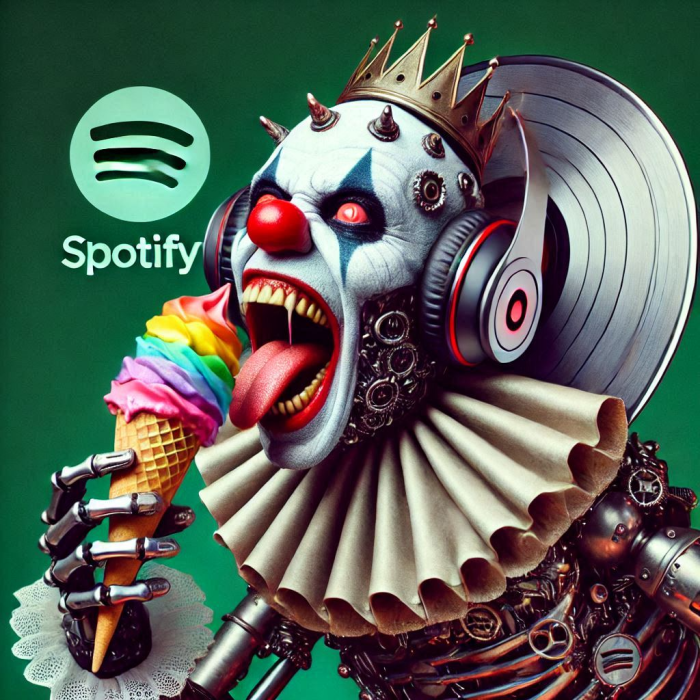
Spotify’s Paradox: An Algorithm Can Spot Breakout Artists… But Doesn’t Pay Them

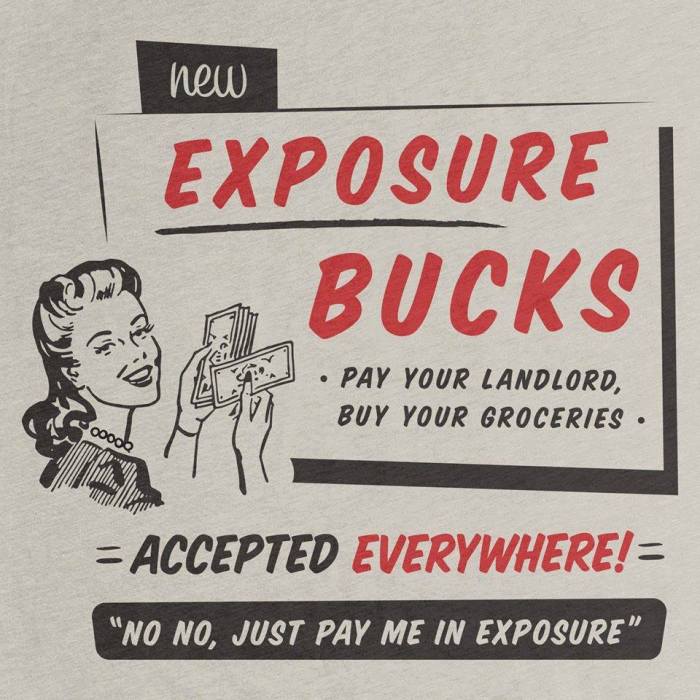
Spotify has long claimed its algorithms can spot breakout tracks and rising artists long before traditional gatekeepers notice. From Discover Weekly to Release Radar, the service positions itself as more than a music service — it’s an engine for musical discovery. You know…exposure.

In interviews, press releases, and annual shareholder letters, Daniel Ek the former pirate and future defense contractor and Spotify have boasted that their data can pinpoint the ‘next big thing,’ making Spotify the best place for discovering and nurturing new talent. They raise money on the issue and their market cap is $150.983B today. So they’re sharing the gold with the artists that they extract value from, yes?

The New Threshold Policy

Well, no. Spotify now imposes a threshold: tracks must reach roughly 1,000 streams per year to qualify for recorded music royalties. But understand this–while they don’t pay on those 1,000 streams, they do collect listener data on them and that powers their algorithm. You know, the algorithm they brag on can spot talent, kid. Because those first 1,000 streams are whatchamacallit…free goods. Or is it breakage? Or maybe a kind of packaging deduction?

Under this no-pay-but-track model, Spotify can recognize early listener activity and harness it for its personalized playlists and marketing efforts — yet it doesn’t pay artists for those early plays until the artist meets an arbitrary 1,000 stream threshold. And realize this–an artist could have 100 tracks with 1 million streams each and 100 tracks with less than 1,000, and they won’t get paid on the less streamed tracks. So the pitch here is the track not the artist, yet another contradiction from the Spotify pitch deck.

The Conflict

This creates a troubling tension:

For Spotify: The first few hundred plays are enough for its algorithm to assess the track, recommend it to listeners, and monetize engagement. And brag on it to investors.

For Artists: Those same early plays don’t count toward royalties. The track can gain exposure across the platform, but the artist sees no income until the threshold is crossed.

What It Means

Aside from they’re scumbags? Well, if Spotify can spot a breakout track when it has only a few hundred plays, why can’t it pay for those plays? Its data and recommendations benefit Spotify — obviously, they brag on it. The free goods data makes the service more attractive, bolstering its story to investors, and enriching its user experience — long before it benefits the artist making the records. (To add insult to injury, they do have to pay the songwriters under the benighted compulsory license which they no doubt are going to try to ditch in the next CRB.)

This paradox exposes a deeper tension in the streaming model: platforms excel at extracting value from listener data but adopt a policy to let them grab that data long before it translates into royalties for creators. Talk about data is the new oil.

This paradox shines a light on how platforms monetize listener data early — and benefit from it — while delaying or denying payments for those same streams. What Spotify promotes as ‘discovery’ often operates as monetization for the platform, leaving the artist with nothing until an arbitrary threshold is crossed. The same is likely true of all the platforms that adopt Spotify’s freebie threshold model in what the antitrust lawyers call conscious parallelism, looking at you Amazon and Deezer.

What is to be Done?

If Spotify truly champions discovery, it should champion fair compensation from the first stream. The ability to spot breakout tracks early must be matched by a commitment to pay for them.

It’s time for a more transparent and equitable approach — one that recognizes the value of every stream and every listener, regardless of its place in the self licking ice cream cone.
Share this:

  • Click to share on Reddit (Opens in new window) Reddit
  • More
  • Click to share on X (Opens in new window) X
  • Click to share on Facebook (Opens in new window) Facebook
  • Click to share on LinkedIn (Opens in new window) LinkedIn
Like Loading...
By Chris Castlein Digital Services: SpotifyJune 26, 2025624 WordsLeave a comment
Blog at WordPress.com.

Menu

  • About
  • Getting to Beta
  • Copyright and Legal
  • Subscribe Subscribed
    • Music Tech Solutions
    • Join 303 other subscribers
    • Already have a WordPress.com account? Log in now.
    • Music Tech Solutions
    • Subscribe Subscribed
    • Sign up
    • Log in
    • Report this content
    • View site in Reader
    • Manage subscriptions
    • Collapse this bar
 

Loading Comments...
 

    %d